Private & accredited treatment for prescription drug addiction

Treatment for Prescription Drug Addictions in Ontario

How We Help

A lot of the people we admit at York Addiction & Mental Health never took anything that wasn't prescribed to them. It started with a bottle from a real pharmacy, a real diagnosis, a doctor who meant to help. That's part of what makes prescription drug addiction so hard to see coming, and so hard to admit once it's here. If this is where you or someone you love has ended up, you're not the exception you might think you are, and there's a real way through it.

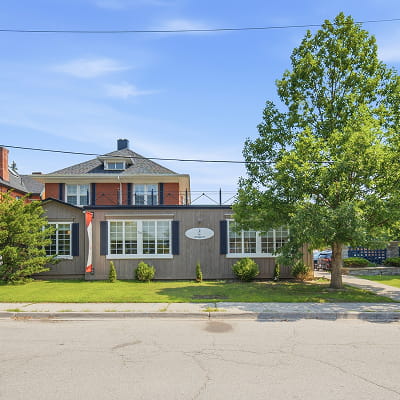
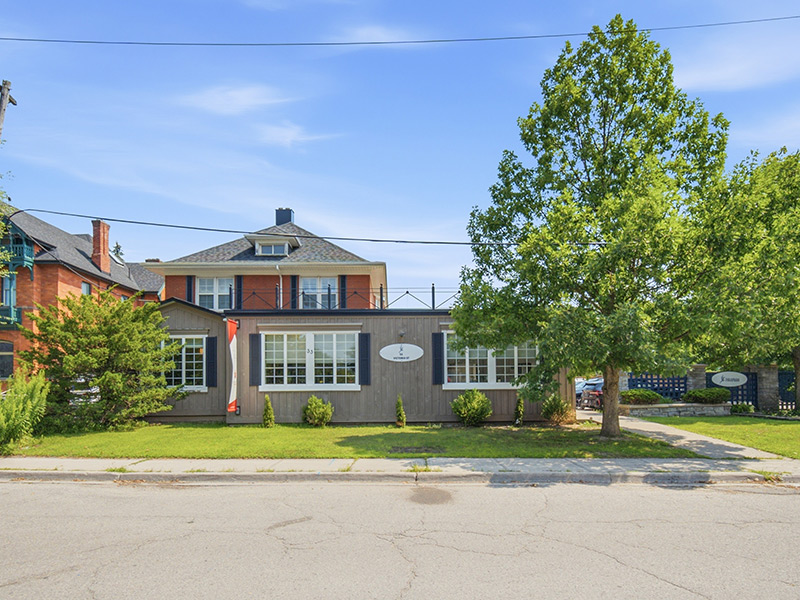
York Addiction & Mental Health provides private treatment for prescription drug addiction at our residential facility in Aurora, just north of Toronto.
Why Prescription Drug Addiction Is Different

There’s a particular kind of confusion that comes with this one. The drug came from a doctor. The dose was measured by a pharmacist. Somewhere along the way, taking it stopped being about the original problem and started being about something else entirely, and that shift is genuinely hard to notice from the inside, because nothing about the routine looks any different. You’re still just taking your medication, until you’re taking more of it than you’re supposed to or taking it for reasons that have nothing to do with what it was written for.

This is also why shame tends to hit harder here than with other substances. People expect to feel guilty about a street drug. Feeling that way about something a doctor handed them feels backwards, and a lot of people sit with that confusion alone for far longer than they need to.

Treatment at York Addiction & Mental Health Provides:

Common Addictions We See Most Often

The Three Categories of Prescription Addictions

Prescription drug addiction isn’t one thing. The substance changes what withdrawal looks like, what treatment needs to prioritize, and how urgently medical supervision matters.

Opioids & Painkillers

Medications like oxycodone and methadone are prescribed for real, often severe pain, and tolerance to them builds quickly even when someone is taking exactly what's written on the bottle. This is one of the more common paths into prescription drug addiction, and it's covered in full detail, including specific drugs and withdrawal information, on our dedicated opioid and opiate treatment page.

Benzodiazepines

Xanax and Valium are the two most recognizable names in this category, typically prescribed for anxiety, panic, or sleep. They work by slowing the central nervous system down, and the body adapts to that quickly. What makes benzodiazepines particularly serious is that stopping suddenly after regular use can cause seizures, not just discomfort, which is a big part of why we never recommend anyone try to stop taking these on their own without medical supervision.

Stimulants

Adderall and Ritalin are most often prescribed for ADHD, and misuse frequently starts with something that sounds almost reasonable: taking a little more before a big exam or using it to get through a demanding stretch at work. The problem is the crash that follows, a drop in mood and energy sharp enough that taking more starts to feel like the only way to function normally again, and from there the pattern can escalate quickly.

Prescription Drug Addiction Signals

Signs Your Prescription Drug Use Has Become an Addiction

York Addiction & Mental Health. Ontario's leading alcohol addiction facility.

Why Medical Supervision is Critical for Prescription Drug Withdrawal

Withdrawal from benzodiazepines and opioids can be medically serious, not just unpleasant. Benzodiazepine withdrawal in particular carries a real risk of seizures, and stopping on your own, or tapering without guidance, can be more dangerous than the addiction itself in the short term. Stimulant withdrawal is generally less physically dangerous but can bring severe depression and exhaustion that make relapse very likely without support. Whatever the specific drug, this isn't something to manage alone, and it isn't something you should feel like you have tofigure ite out by yourself.

How Treatment for Prescription Drug Addiction Works at York Addiction & Mental Health

Every client starts with a full clinical assessment covering exactly what's been used, how long, and why. Detox comes first where it's needed, managed medically, so withdrawal is as safe and as manageable as possible, with supportive medication used where appropriate.

From there, treatment centres on individual and group therapy aimed at the actual reason the medication kept being used past the point it was needed, alongside family programming and personalized fitness to help rebuild a sense of routine and physical wellbeing that often gets lost along the way.

Why Families and Individuals Trust York Addiction & Mental Health

We’re accredited with Exemplary Standing by Accreditation Canada, the highest rating available, which reflects a real and measurable standard of how we operate. Our facility has medical staff and counsellors available around the clock. When you’re ready, we’re ready, often the same day you call and ready to provide help.

Choosing the Right Length of Your Inpatient Program

Not everyone needs the same amount of time. Some clients are ready to transition out after 30 days. Others, particularly those with a longer drinking history or additional mental health concerns, benefit from 60 or 90 days of continued structure and support. Program length is a clinical decision made with you, not a package you pick off a price list before anyone’s met you. Our admission team will suggest starting with a minimum of 30 days, and deciding to extend once you’ve been in treatment and can discuss your needs with our clinical team.

Recovery Within Reach

Break Free from Prescription
Drug Addiction Today

You don’t need to have it all figured out before you call. Reach us at 1-888-241-3391, or fill out the form below with your name, email, phone number, and a bit about what you’d like to know. Our admissions team responds directly, no pressure, no obligation.