

Inpatient Alcohol Rehabilitation
If drinking has taken over more of your life than you want to admit, or someone you love is caught in that cycle, York Addiction & Mental Health provides private, medically supervised alcohol treatment at our residential facility in Aurora, just north of Toronto. Help is available now, call us today.

Why Alcohol Addiction Stays Hidden for So Long
Alcohol is available virtually anywhere. Grocery stores have them on shelves, gas stations sell them next to coffee, and restaurants pour them with dinner, and nobody blinks. Alcohol never forces the moment of decision that illegal drugs do; no one has to seek it out, buy it secretly, or use it somewhere private, which means someone can drink heavily every single day without ever doing anything that looks, from the outside, like a drug problem. Since 2023, nearly 18 percent of Canadians aged 15 and older will meet clinical criteria for alcohol use disorder at some point in their life, and fewer than 2 percent of people who could benefit from medication-based treatment currently receive it.
This is exactly why some of the hardest cases to catch belong to people who still go to work every day, still coach their kid's team on weekends, still host dinner parties, all while drinking every night in a pattern that's quietly become non-negotiable. Clinicians sometimes describe this as high-functioning alcohol use disorder, and it tends to go unaddressed far longer than other addictions precisely because the outward signs of a life falling apart haven't shown up yet. Eventually, the dependence and addiction will take their toll, leaving individuals needing alcohol detox, treatment, and extensive support.

How Does Alcoholism Develop?
Few people go from a first drink to a serious problem quickly. The path usually moves through recognizable stages, even if no one names them at the time. Early on, tolerance climbs quietly, and drinking starts managing something specific. At first, the alcohol is used to try to manage anxiety, stress, sleep, or a mental health condition. In the middle stage, drinking becomes a fixed and expected part of the day, and real consequences start appearing: a missed meeting, a fight that sobriety would have prevented, a partner who stopped commenting because commenting never changed anything.
By the late stage, the body has adapted to alcohol's constant presence, and physical dependence sets in. Withdrawal symptoms appear whenever drinking slows or stops, which means quitting now carries genuine physical risk rather than simple discomfort. Recognizing which stage applies to you or someone you love often clarifies what to do next far more than a general warning ever could.

Does Drinking Alcohol Cause Anxiety and Depression?
Most people assume the causation runs one direction: something is already wrong, and alcohol shows up to numb it. That's often true, but it's only part of the story. Alcohol is a depressant, and its chemical effect on the brain worsens both anxiety and depression over time, independent of whatever originally triggered the drinking.
Someone quieting a racing mind at 11pm is often building the exact anxious, sleep-deprived state they wake up into at 4am, then treating it the next evening with another drink. Breaking that cycle requires treating the drinking and the mental health condition together, which is why every client here goes through a full mental health assessment at intake, not as an optional extra but as a basic requirement for understanding what's actually happening. If you're tired of suffering from alcohol addiction, or anxiety and depression as a result of drinking, we can help.

What Happens To The Body After Excessive Drinking?
After excessive drinking for a prolonged period of time, the damage can be life-threatening. The issues build quietly, long before it becomes visible. Fatty liver develops first, usually without symptoms, followed over time by alcoholic hepatitis and, in serious cases, cirrhosis. Blood pressure rises. Heart muscle weakens. Stroke risk climbs, even in people who don't otherwise fit a typical cardiovascular risk profile. Alcohol also raises the risk of several cancers, including cancers of the mouth, throat, esophagus, liver, and breast, with risk increasing alongside how much and how long someone drinks. Cognitively, memory gaps, difficulty concentrating, and mood swings become part of daily life, and while sobriety reverses some of this, not all of it comes back, particularly after years of sustained heavy use.
If you have been in a cycle of excessive alcohol consumption for a while now, medical detox and treatment may be required. Please reach out to our admissions team for immediate support.

The Dangers of Alcohol Withdrawal
Here's what surprises most people: alcohol is one of the only substances where quitting cold turkey, alone, can be more dangerous than the drinking itself in the short term. Sustained heavy drinking pushes the brain to compensate for alcohol's sedating effect by cranking up its own excitability. Remove the alcohol suddenly, and that excitability runs unchecked, which is what drives severe withdrawal symptoms, including seizures and a potentially fatal complication called delirium tremens. There's no reliable way to predict from home who's at serious risk and who isn't. We offer dedicated alcohol detox accompanied by 24/7 supervision, medical support, and safety.
If you think the level of your alcohol consumption has been excessive or prolonged, it may mean that a medical team is needed in the room to supervise and support the withdrawal and detox process.

Does Everyone with a Drinking Problem Need Addiction Treatment?
Having a drinking problem doesn't automatically mean you need to attend addiction treatment, but it is recommended if you're in the mid-to-late stages of addiction.
Someone in the earlier stages may still be able to control when and how much they drink, without withdrawal symptoms or a long history of heavy daily use, and may genuinely do well with counselling and outpatient support alone.
Residential treatment becomes the right call once physical dependence has set in, once previous attempts to cut back on your own haven't held, or once a concurrent mental health condition needs the kind of sustained, structured attention outpatient care can't realistically provide. A real clinical assessment is what actually answers this question for your specific situation.

What Effective Alcohol Addiction Treatment Looks Like
A lot of addiction facilities offering alcohol treatment look similar from the outside. A few real questions cut through that quickly. Does detox happen on-site, or does it require transferring somewhere else partway through? Does the facility hold accreditation that an outside body actually verified, or just a claim on its own website? Does your plan come from a real assessment of your specific history, or does every client move through an identical track regardless of circumstances? Does support end the day you walk out, or does it continue as long as you need it?
At York Addiction & Mental Health, we provide answers for all of it.
- Our treatment centre provides detox that happens on-site, right beside our nursing station, with no transfers required.
- We hold Exemplary Standing from Accreditation Canada, the highest rating the organization awards, verified through independent review.
- Every alcohol treatment plan is built after a client has completed a specific assessment. Treatment and supports are then continually adjusted as treatment progresses.
- Aftercare continues indefinitely, giving support to our clients as long as they feel it's required.
Our Treatment Methods cover a wide range of highly specialized and effective clinical approaches that make our programs stand out. This includes our Therapeutic Modalities, Individual Counselling, Group Counselling, Family Care, and Lifetime Aftercare.

How We Help You Stay Sober Outside of Treatment
The mission that our staff works towards is making sure clients are equipped with every tool and skill that will help them have lasting sobriety. Every single moment of treatment is built to help individuals understand what it takes to remain sober.
The day you discharge from our facility, you'll be equipped with dozens of critical skills. The day of discharge, the daily structure of being inside of treatment is removed, but we help you stay on your feet. After completing treatment, you'll fundamentally understand that life has to go on.
Weddings, work events, and ordinary Tuesdays all can and may still involve alcohol somewhere in the room. This is where your skills obtained in treatment come to life, and where your proactivity needs to come out. Planning, telling a trusted person about a specific event beforehand, arriving with an exit plan, and holding a non-alcoholic drink to skip the moment-to-moment negotiation change the outcome considerably.
The people closest to someone in recovery carry their own version of this adjustment too, relearning how to set a boundary without an ultimatum, and how to stop covering for consequences that used to feel automatic to manage. Support exists directly for family members, not only for the person who went through treatment, and using it doesn't betray anyone.

What If The Person Who Needs Help Isn't Ready to Hear It?
Bringing this up with someone who isn't ready rarely goes well on the first unplanned attempt. A calm moment away from any current drinking, specific language about behaviour and its effect on you rather than general accusations, and a real plan going in tend to matter more than good intentions alone. A professionally guided intervention often succeeds where a conversation in the middle of an argument fails, particularly with alcohol, where the physical risk of a sudden, unsupervised stop changes the approach compared to other substances. At York Addiction & Mental Health, we can help you go through an Intervention that comes with a safe plan, approach, and resolution for it all.

Is It Too Late to Quit Alcohol?
No, it's never too late to quit drinking alcohol. We stand by that.
A previous attempt at quitting that didn't hold doesn't mean anything. Whether it was on your own or through another treatment program, all it tells us is that you require a more specialized approach. It helps our clinical team understand something real about what to change this time: pacing, a piece that got missed, a mental health condition that never got named. Treatment built from that history looks different from treatment built blind, which is exactly the point.
If you or a loved one have tried to quit drinking alcohol but haven't been able to, that's okay. At York Addiction & Mental Health, our team has experience in treating even the most complex cases of addiction.
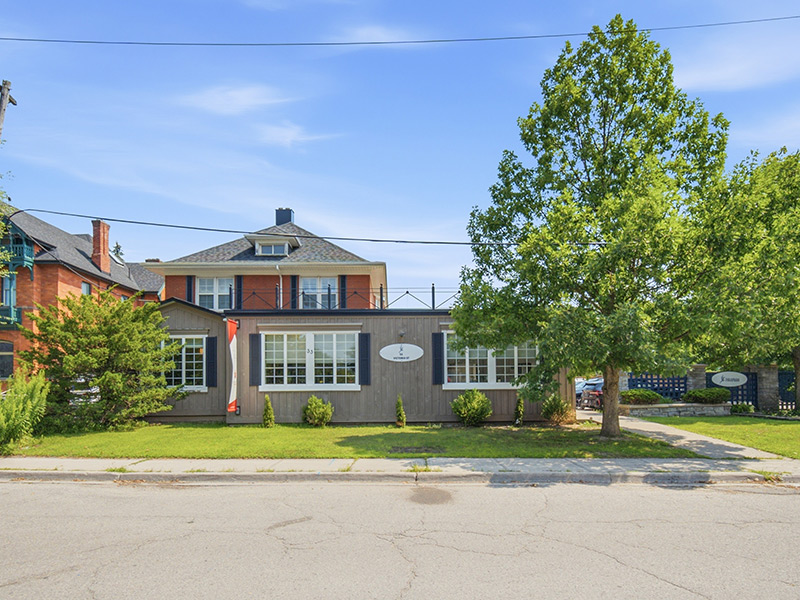
How Treatment Works at York Addiction & Mental Health
Recovery starts with an honest picture of where you're at, not a form to fill out. Our clinical team assesses your physical health, drinking history, and any other mental health concerns, then builds a plan around you specifically.
If your body has become dependent on alcohol, stopping on your own can be dangerous. Withdrawal from alcohol can include serious symptoms, including PAWS, Tremors, and seizures in severe cases, so our medical team manages this stage around the clock, monitoring you closely and keeping you as comfortable and safe as possible.
Once you're medically stable, you can experience the full range of residential treatment, living in a structured environment away from the people, places, and stress that makes drinking feel like it was necessary. Treatment includes regular individual counselling and therapy sessions, alongside group therapy where clients build real coping skills alongside people going through the same fight.