
Private and accredited treatment for Ecstasy & MDMA addiction
Treatment for Ecstasy & MDMA Addiction in Ontario
Home » Addictions Treatment » Drugs » Ecstasy
How We Help
MDMA has spent decades wrapped up in festival culture and club scenes, which gives it a reputation as something closer to a fun weekend habit than a real addiction. That reputation is exactly what keeps a lot of people, and their families, from noticing the problem until it's already serious. Ecstasy is classified in Canada in the same schedule as cocaine, heroin, and methamphetamine, and both the addiction risk and the physical dangers are real, whatever the party scene around it suggests.
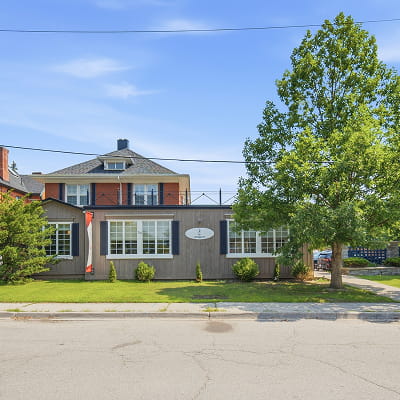
York Addiction & Mental Health provides private treatment for ecstasy and MDMA addiction at our residential facility in Aurora, just north of Toronto.
The “Harmless Party Drug” That is Actually Harmful
Part of what makes MDMA risky is that people rarely know exactly what they're taking. Street ecstasy, whether in pill, capsule, or powder form, is frequently mixed with other substances, sometimes far more dangerous ones, and there's no reliable way to know from the outside what's in a given dose.
Tolerance also builds with regular use, meaning it takes more to get the same effect over time, even though MDMA tends to be used less frequently than drugs like cocaine or meth. Less frequent use doesn't mean no potential dependence, and it doesn't undo the physical risks of any single dose.
What to look out for
The Two Major Risks When Using Ecstasy/MDMA
A lot of MDMA’s danger comes less from the drug in isolation and more from the environment it’s typically used in: hot, crowded venues, all-night dancing, and long stretches without rest.
Risk 1: Overheating & Heatstroke
MDMA interferes with the body's ability to regulate its own temperature, and combined with a packed, overheated venue and hours of continuous dancing, this can push body temperature to genuinely dangerous levels. This is one of the more common ways MDMA use turns into a medical emergency, and it can happen even to someone who has used the drug before without issue.
Risk 2: Drinking Too Much Water in Response to Overheating
In response to overheating warnings, some users drink large amounts of water to compensate, which creates a different but equally serious risk. MDMA affects the body's ability to regulate fluid balance and drinking excessive water on top of that can lead to dangerously low sodium levels, a condition that can cause confusion, seizures, and in severe cases, death. This risk is less talked about than overheating, but it's just as real, and "drink plenty of water" is not blanketing safe advice with this drug.
Ecstacy & Mdma Addiction Signals
Signs The Use of Ecstasy/MDMA Has Become an Addiction
- Needing MDMA specifically to enjoy social situations
- Noticeable low mood, irritability, or fatigue in the days after use, becoming more frequent
- Jaw clenching, teeth grinding, or dental soreness from regular use
- Spending money on MDMA that creates real financial strain
- Using more frequently, or in higher doses, to get the same effect
- Continuing to use despite noticing the physical or emotional toll
What Repeated Ecstasy/MDMA Use Does Over Time
MDMA works partly by causing a surge in serotonin, the brain chemical tied to mood, and that’s part of why the days after use often bring a noticeable low, sometimes described as an emotional crash. With heavy, repeated use, research points to lasting changes in how the brain’s serotonin system functions, which has been associated with ongoing mood problems, memory difficulties, and trouble concentrating well after the drug itself has left the body. This research area is still developing, but the direction of it is consistent: repeated heavy use carries real risk of change that doesn’t simply reverse once someone stops.
How We Treat Ecstasy/MDMA Addiction at York Addiction & Mental Health
Treatment starts with a full clinical assessment, since MDMA use often overlaps with other substances or with underlying anxiety and depression that the drug has been masking rather than solving. Medical support is available through any withdrawal-related symptoms, and from there, treatment centres on individual and group therapy, working through what the MDMA use has actually been providing socially or emotionally, so that piece doesn't simply resurface once the drug is gone.
Why Families and Individuals Trust York Addiction & Mental Health
We’re accredited with Exemplary Standing by Accreditation Canada, the highest rating available, which reflects a real and measurable standard of how we operate. Our facility has medical staff and counsellors available around the clock. When you’re ready, we’re ready, often the same day you call and ready to provide help.
Choosing the Right Length of Your Inpatient Program
Not everyone needs the same amount of time. Some clients are ready to transition out after 30 days. Others, particularly those with a longer drinking history or additional mental health concerns, benefit from 60 or 90 days of continued structure and support. Program length is a clinical decision made with you, not a package you pick off a price list before anyone’s met you. Our admission team will suggest starting with a minimum of 30 days, and deciding to extend once you’ve been in treatment and can discuss your needs with our clinical team.
Recovery Within Reach
Break Free from Ecstasy & MDMA Addiction Today
You don’t need to have it all figured out before you call. Reach us at 1-888-241-3391, or fill out the form below with your name, email, phone number, and a bit about what you’d like to know. Our admissions team responds directly, no pressure, no obligation.